

At some point, every ambitious person asks the same question: where do I actually start? Not which business to build or which market to enter — but what do I go deep on first? What’s the skill that gives me enough leverage to stop asking for permission and start building something real?
I’ve been sitting on my answer for a while. And it came from an unlikely place.
Every so often, someone reaches out and asks to pick my brain over coffee. I usually say yes. This time it was a young entrepreneur passing through Tokyo. We met up in my neighborhood in Azabu-Juban and just started walking — talking about everything from Meta Ad daily spends to what consumer behavior in Japan actually looks like up close. At some point we found ourselves sitting on the steps in the middle of the neighborhood, and he turned to me and asked: what’s the highest leverage skill you’ve ever had?
I gave him some answer in the moment. Honestly, I don’t even remember what I said. But the question stuck with me longer than I expected — and sitting with it more, my real answer is photography.
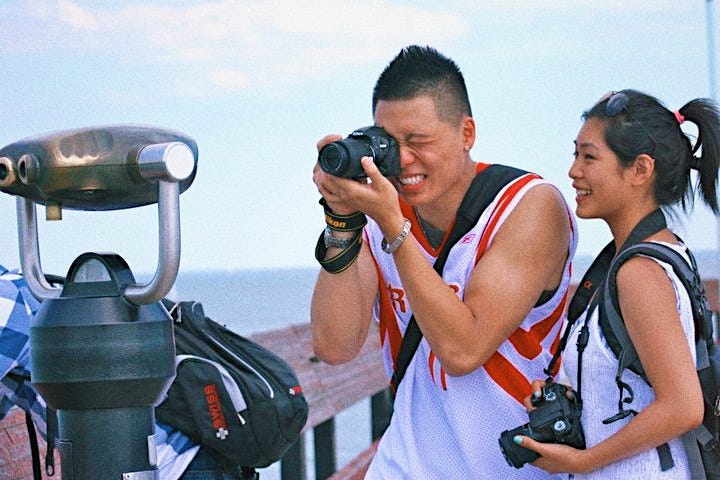
Photography was the first skill that gave me real freedom. It was the first thing I was good enough at that someone would pay me well for it — which meant I could survive on my own terms, be my own boss, and take risks in life knowing I always had something to fall back on.
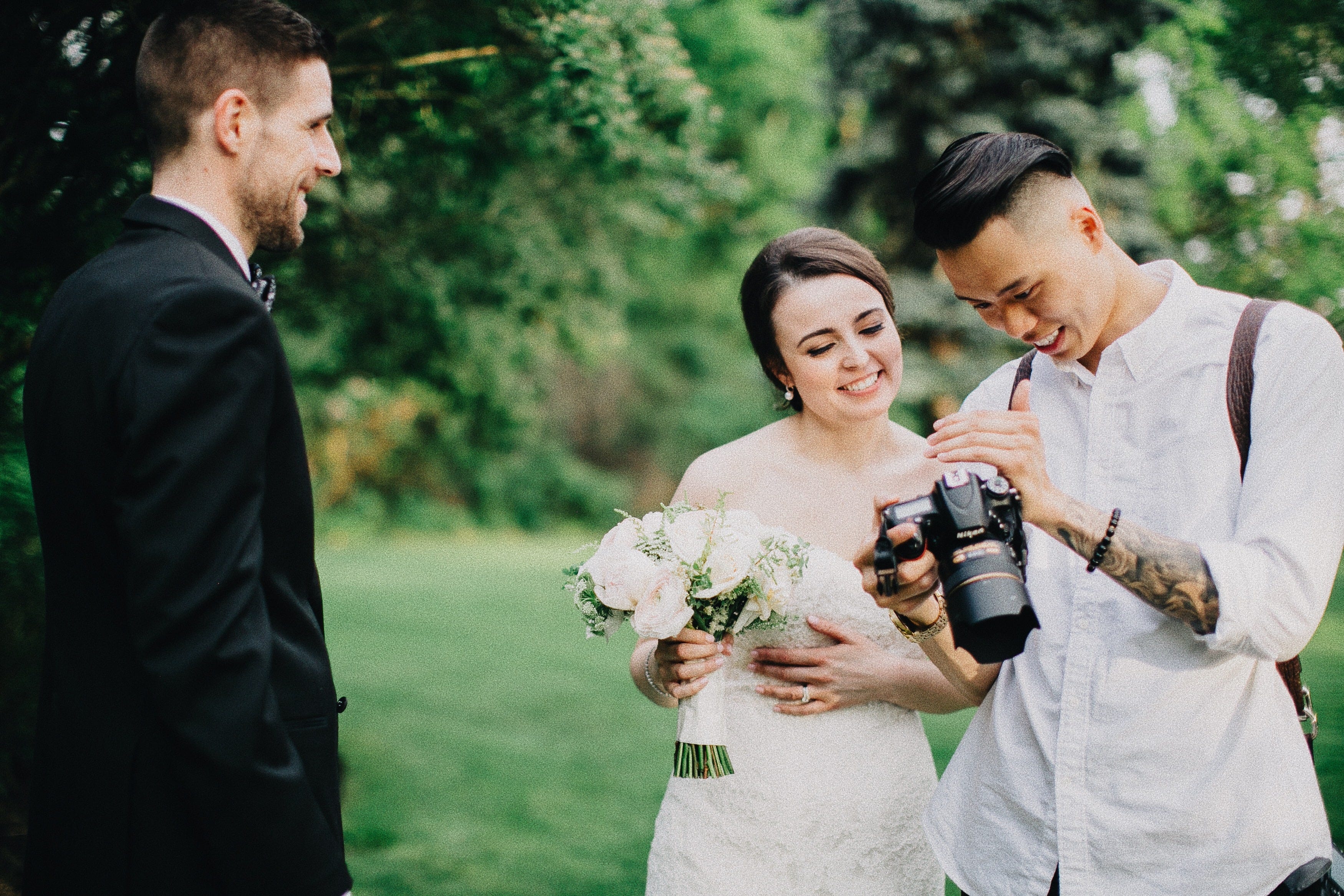
Over ten years, 400+ weddings, magazine shoots, editorials — photography wasn’t just a job. It was my foundation. And it still is. Even now, it shows up everywhere. In how I shoot my Instagram stories, in how I document my journey, in the photos you’ll see throughout this Substack that give you a more intimate look at my life and what I’m thinking about.
But let me give you a concrete example of what I mean — because this is where it gets interesting.
When I transitioned into artist management, I noticed something pretty quickly. A lot of my peers were smart, hardworking, well-connected. But they were dependent. They’d have to brief a photographer and hope for the best. They’d struggle to articulate a creative vision to a director. They’d look at a photo and know something felt off but couldn’t tell you why.
I didn’t have that problem.
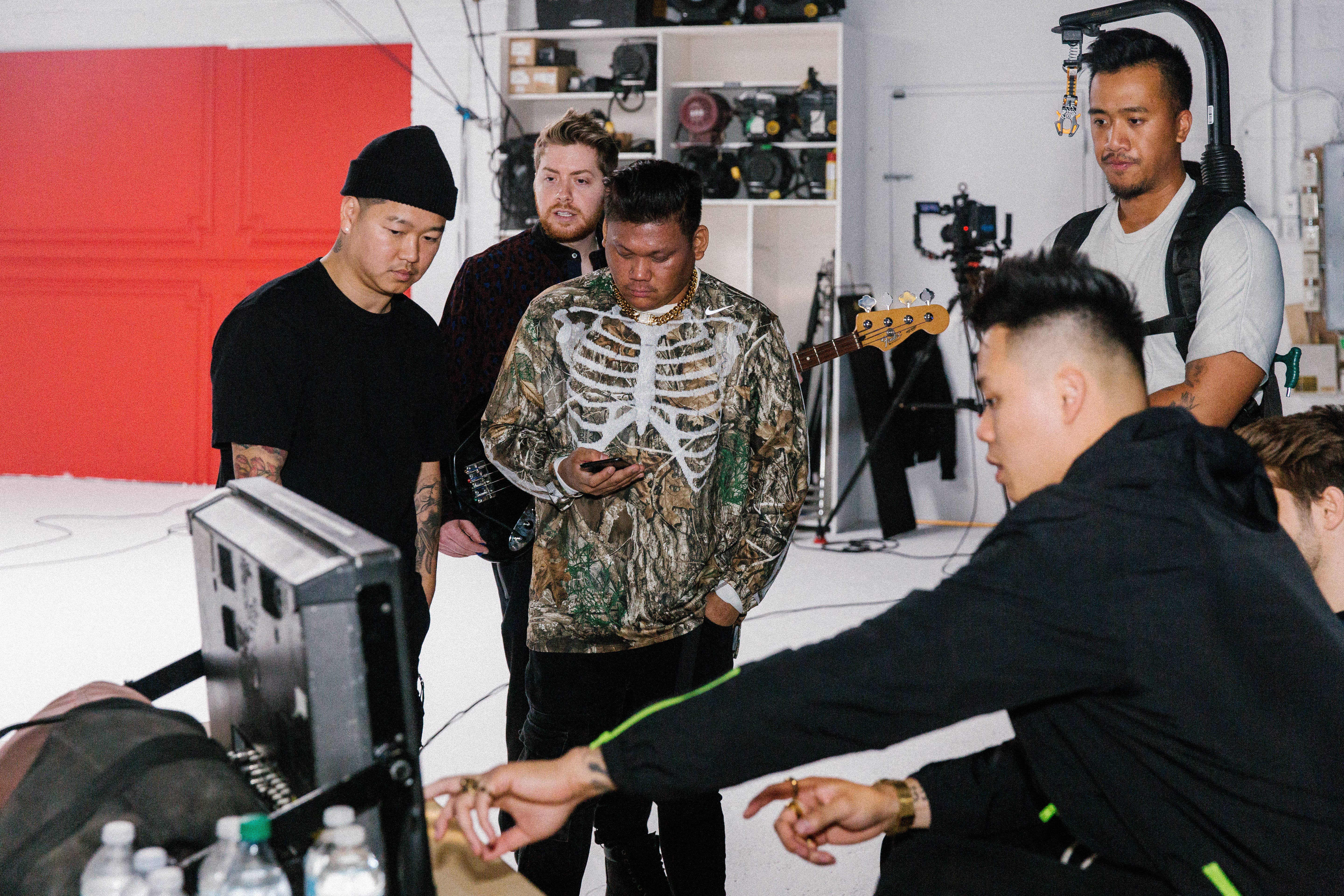
Because of my background, I could creative direct a shoot from scratch. I could build the assets myself when the budget didn’t allow for a full team. When we hired photographers and videographers to create content for our artists, I could speak their language — not as a client guessing at what they needed, but as someone who’d been on the other side of the lens for a decade.
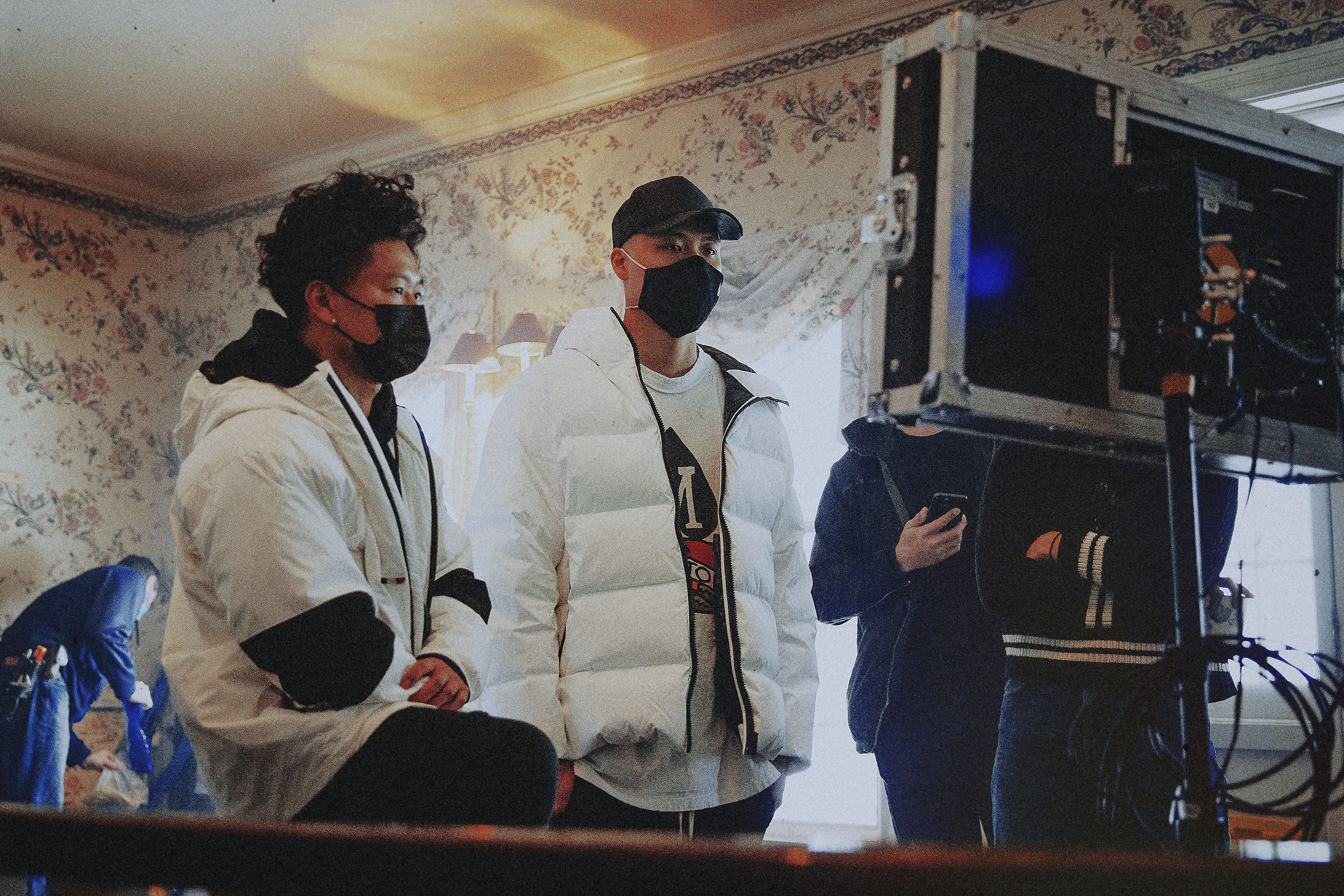
And the aesthetic standard I brought to everything — the eye for light, composition, story, mood — gave our artists a visual identity that stood out. That taste level isn’t something you can fake, and it isn’t something you can just hire. It has to live in you.
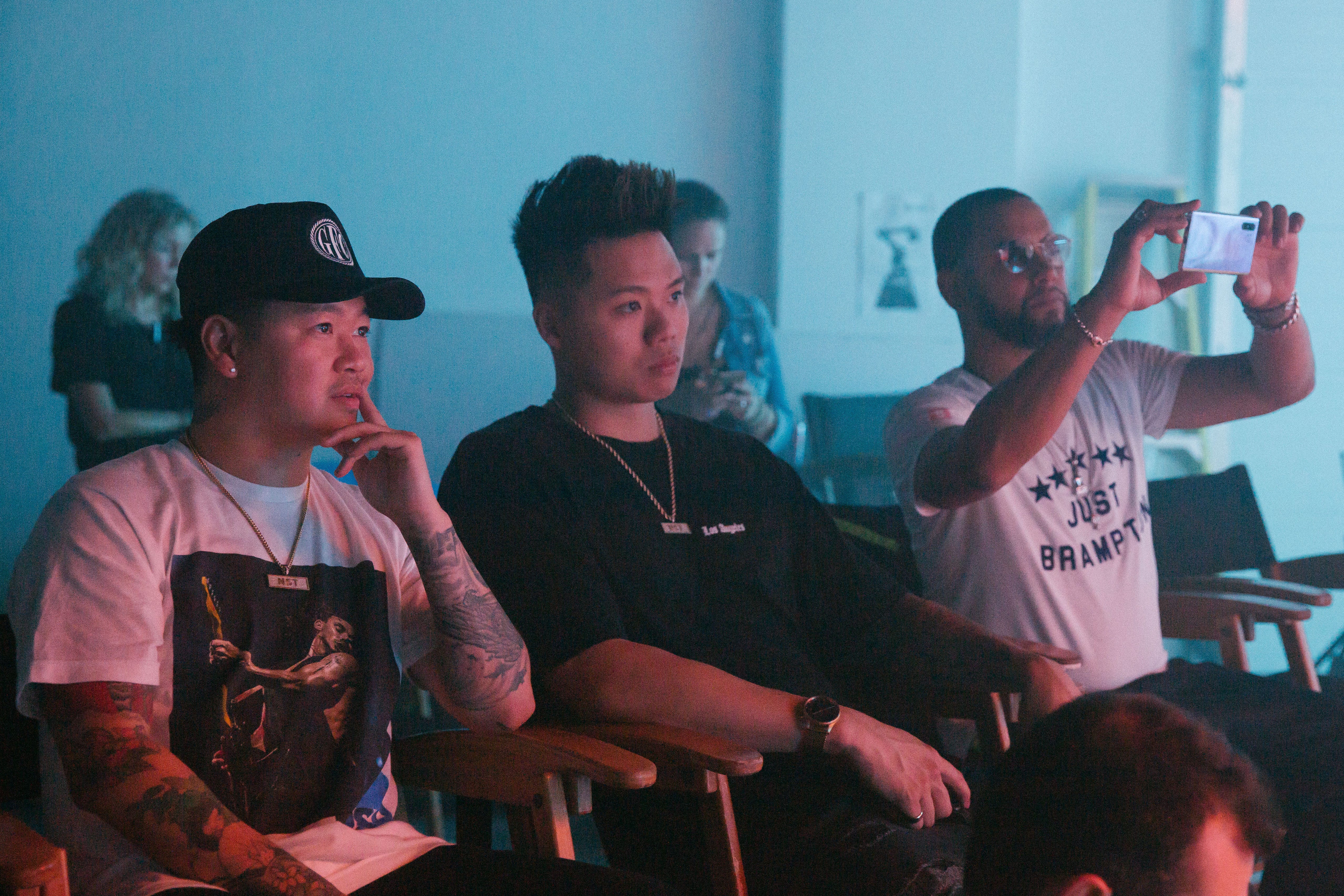
That edge has followed me into everything I’ve built since. Every ecommerce brand I’ve founded since 2020 has benefited from it. The product photography, the creative direction, the brand aesthetic, the way we tell a visual story — that’s not a department I hand off and hope for the best. I’m deeply involved because I can be. Because I built that foundation years before I ever knew I’d need it.
That’s what I mean by a first freedom skill.
It’s the skill that gets your hands dirty. The one where you’re actually making something — a photo, a piece of code, a design, a piece of furniture, a paragraph that moves people. Think photography, coding, design, copywriting, carpentry, painting. Skills where you’re the one producing the thing, not just managing the people who do. That hands-on foundation is what gives you your first shot at independence — your first client, your first service-based business, your first “I don’t need to ask anyone for permission” moment.
And here’s what most people miss: those foundational skills are what make every other skill you pick up later actually land. When you understand how something is made, business strategy clicks differently. Sales comes more naturally. Networking has more substance behind it. You’re not just learning to talk about the work — you understand it from the inside out. The tertiary skills are built on top of something real.
But what makes a first freedom skill truly special isn’t just that it pays the bills early on. It’s that it compounds. It doesn’t just get you started — it grows with you. It bleeds into everything. A designer sees the world differently. A copywriter communicates differently. A photographer notices light, composition, and story in rooms most people walk straight through without a second glance. These skills don’t stay in a box labeled “career.” They shape your relationships, your businesses, the way you think, the way you see.
That’s what separates a first freedom skill from just a job. A job you leave at the door. A first freedom skill — you carry it with you forever.
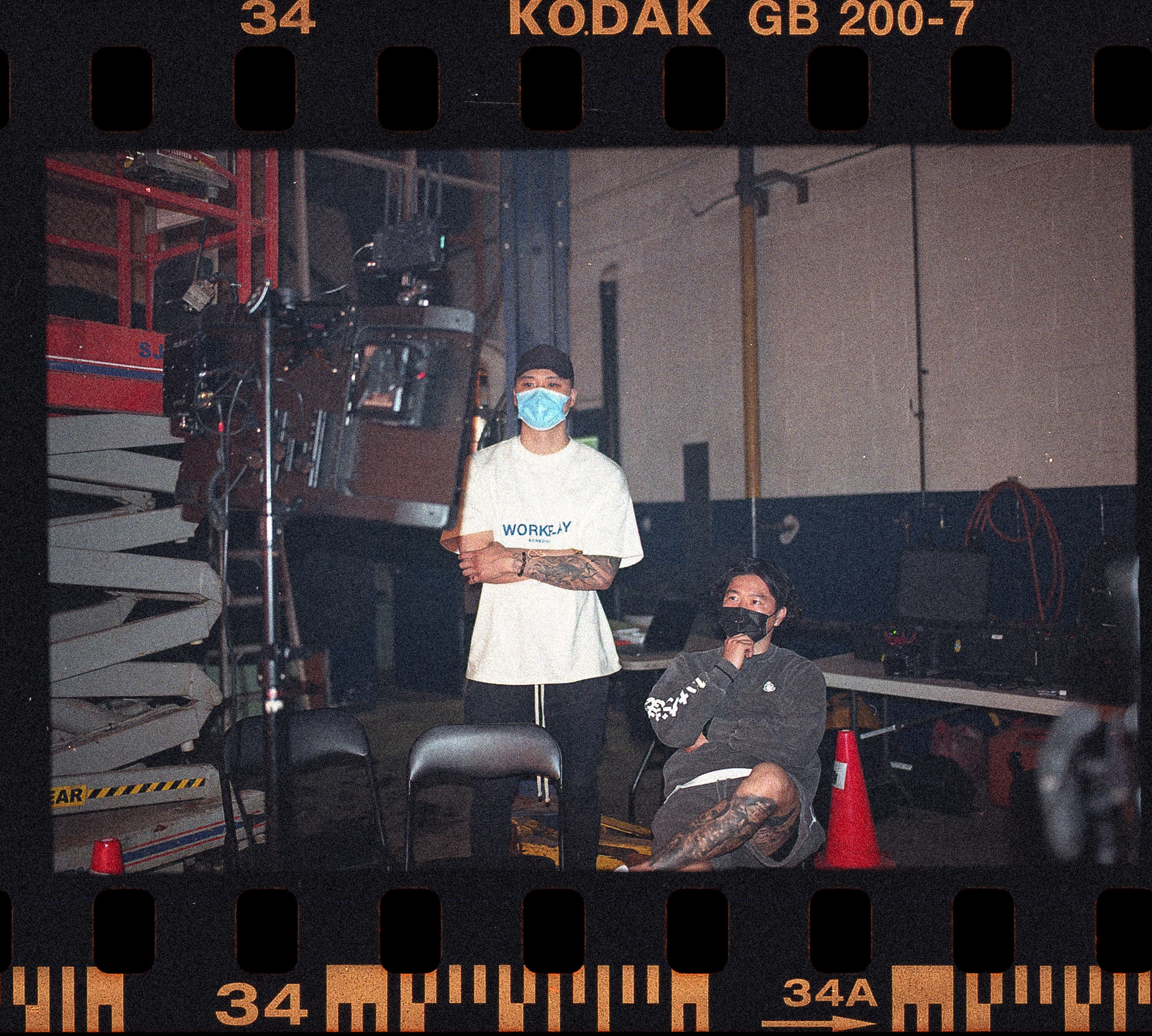
So if you’re early in your journey and trying to figure out where to put your energy, I’d ask you this: what’s the skill that could give you your first taste of freedom? Not the most impressive skill. Not the trendiest one. The one that could make you dangerous — first financially, and then in every room you walk into after that.
Find that skill. Go deep on it. The rest compounds from there.