

There’s something worth saying that most people in our position never say out loud.
The greatest thing that ever happened in our lives had nothing to do with us. It wasn’t a deal we closed, a skill we built, or a decision we made. It happened before we were old enough to have an opinion about it.
Our parents left.
Some left for opportunity. Some left because there was no opportunity. Some left because of war, civil unrest, or governments that had made it clear their families had no future there. The reasons were different, but the decision was the same — they looked at where they were, decided it wasn’t good enough, and chose to do something drastic about it.
They left their language. Their family. Every familiar thing they’d ever known. They arrived somewhere new with no connections, no network, no guarantee that any of it would work out. They built something from nothing — not because it was easy, but because the alternative was staying somewhere they knew was wrong for them.
We are the result of that decision.
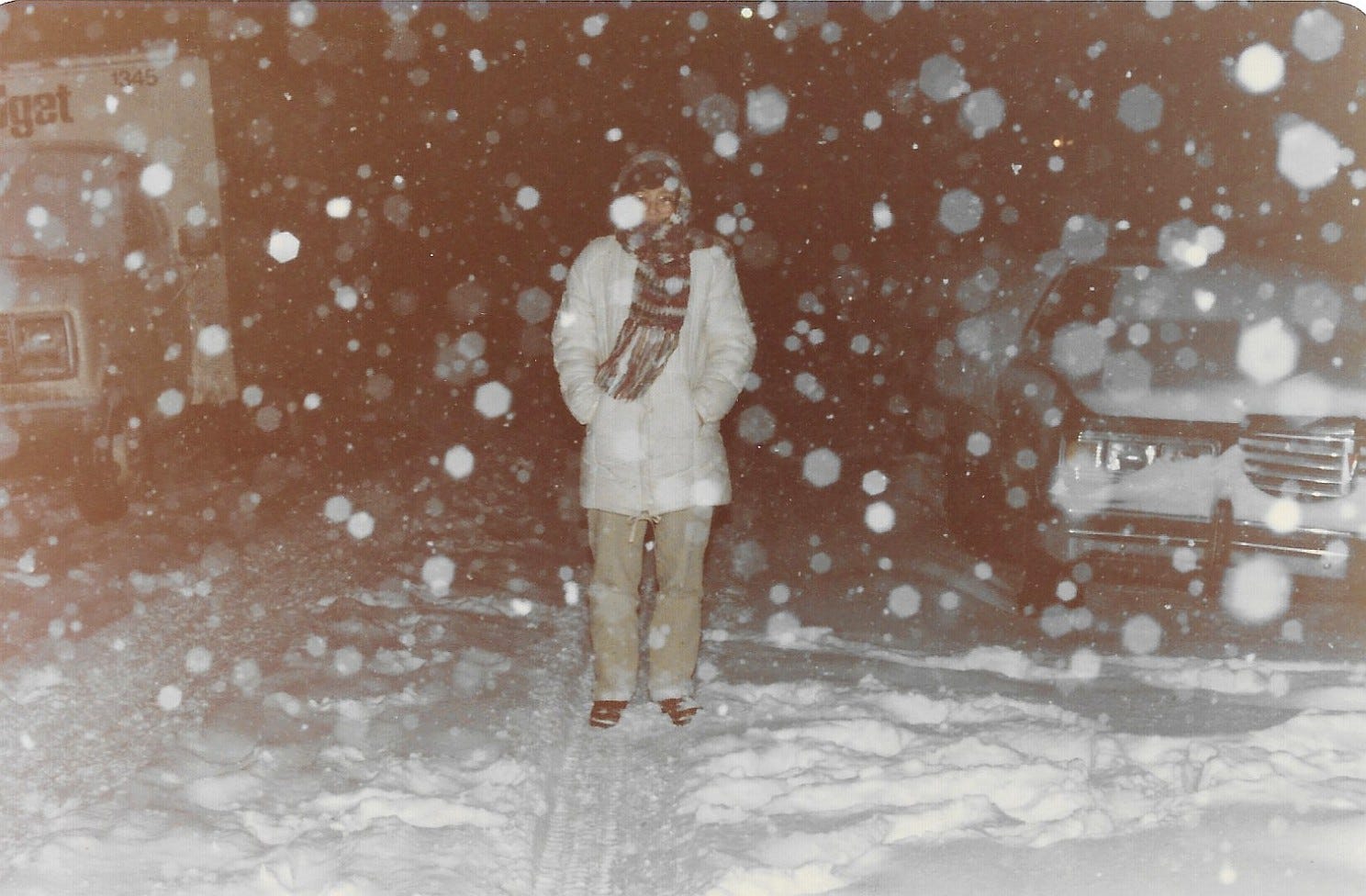
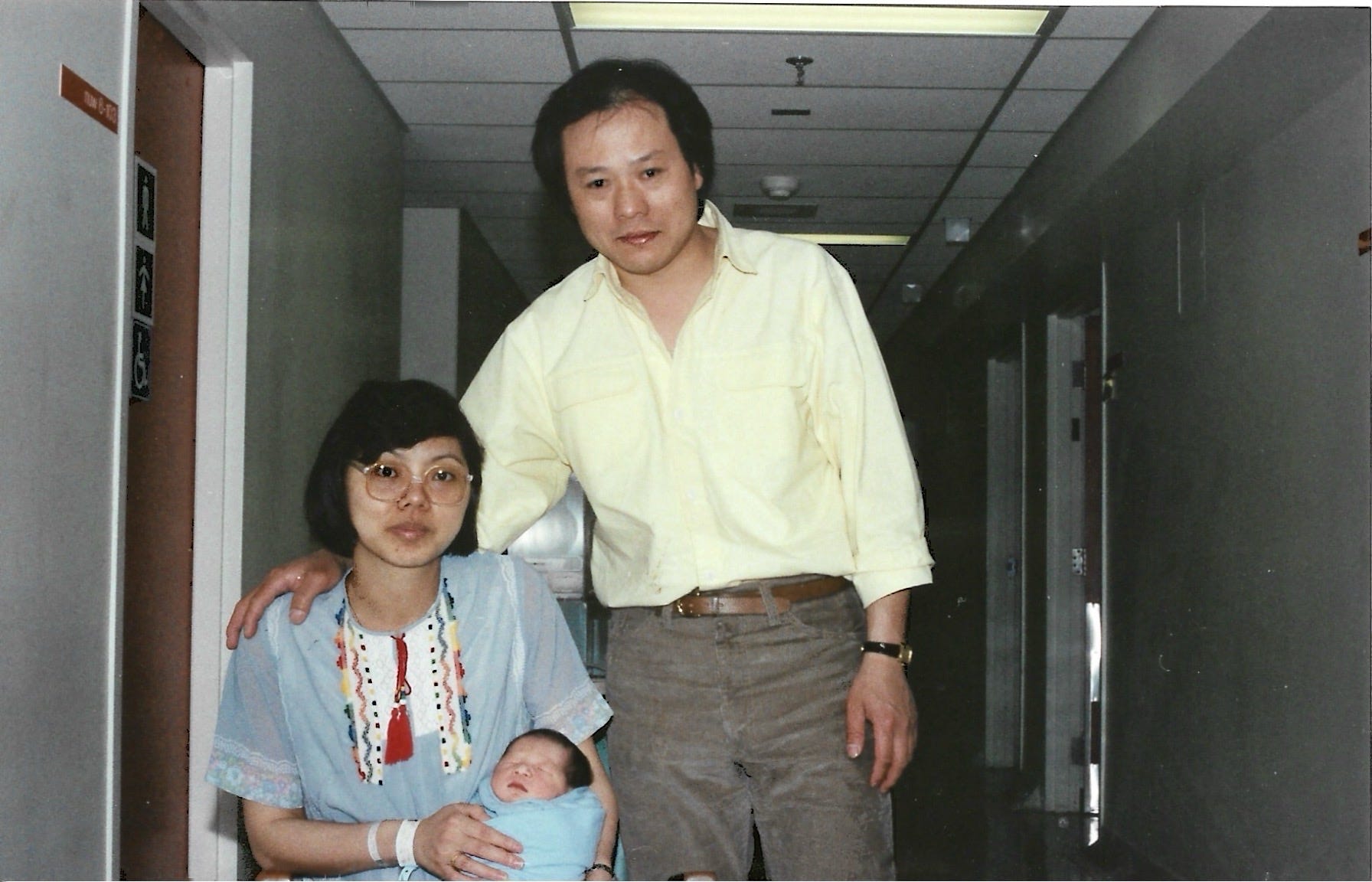
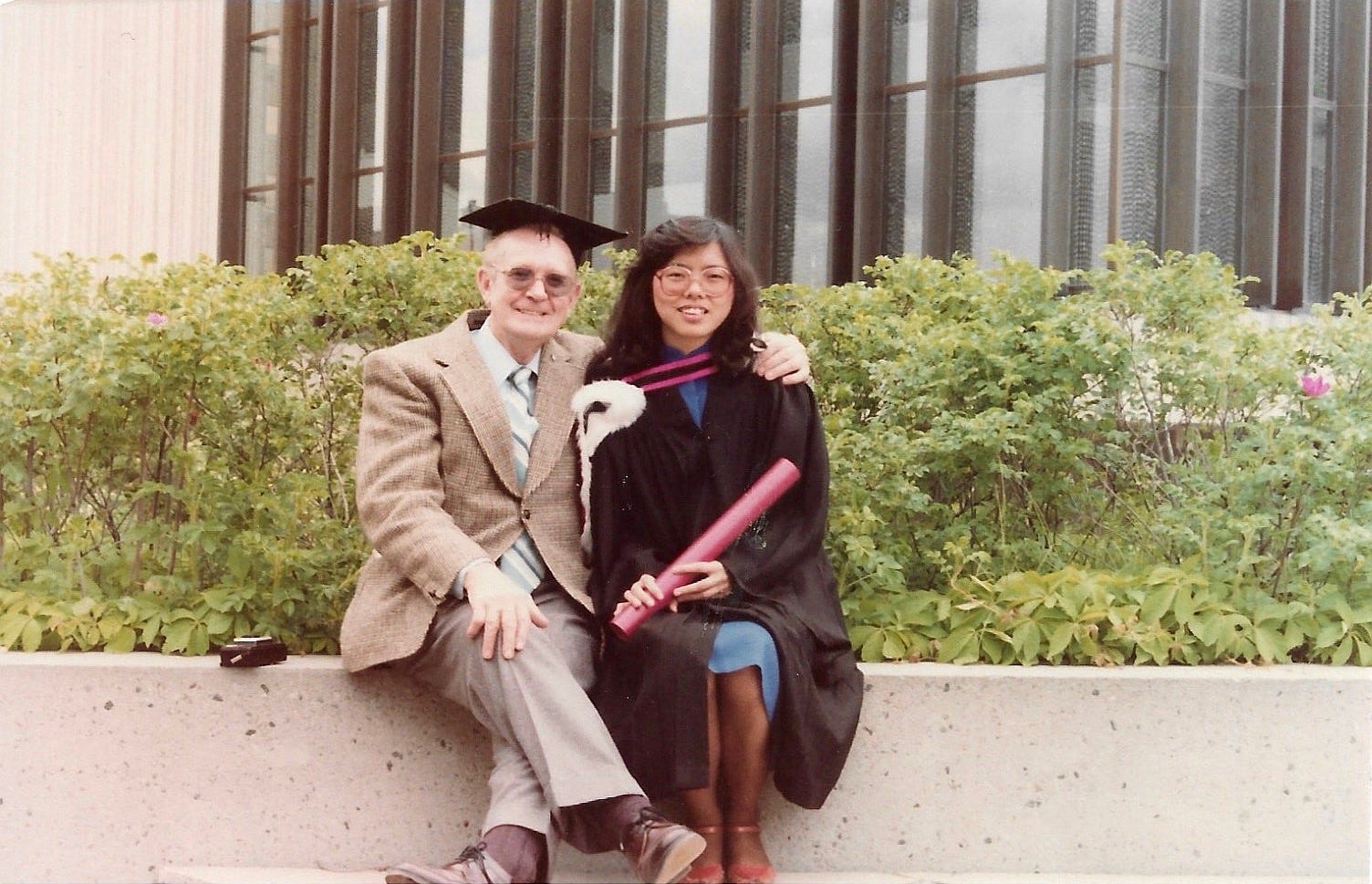
So here’s the question I’ve been sitting with. And I want you to actually sit with it too, not just read past it.
What is the hardest thing you have ever done?
Not the hardest thing that was done for you. Not the sacrifices your parents made, or the opportunities that were handed to you as a result of their courage. I mean you, specifically — what have you done that was hard? What have you genuinely sacrificed, of your own choosing, for a future you decided you wanted?
For most of us — and I include myself in this — the honest list is shorter than we’d like to admit.
We went to university for four years. We applied to jobs. We worked, saved, maybe scraped together a down payment. We gave up some free time when we started a family. These are real things. Nobody is saying they aren’t.
But if you stood in front of everyone you respect — your parents, your grandparents, the people whose sacrifices made your life possible — and you listed out the hard things you’ve done, the things you chose for yourself, the risks you took on your own terms because you believed in something better... how long would that list actually be? And how many of those things did you choose, versus how many were just the expected next steps that everyone around you was also doing?
Go to school. Get a job. Buy a car. Get a house. Complain about the Trudeau’s government.
Is that it?
Because here’s the irony that I can’t stop thinking about.
Our parents saw their situation clearly. They didn’t romanticize it. They didn’t tell themselves it wasn’t that bad, or that things would eventually improve, or that leaving would be too hard because their friends and family were there. They saw reality for what it was, made a ruthless decision, and acted on it.
And we — their children, born into the opportunity they bled for — have become so comfortable inside that opportunity that we’ve lost the very instinct that created it.
The comfort they sacrificed everything to give us has become the reason we don’t sacrifice anything.
Since COVID, if you’re from Toronto, you already know. You don’t need me to explain it. You felt it — the slow hollowing out of a city that used to have a pulse. The businesses that didn’t make it. The spots that meant something, gone. The cost of everything going up while the quality of everything went down. And the conversations — god, the conversations. Every dinner, every catch-up, every group chat eventually collapses into the same thing. The city isn’t what it was. Something got lost and it’s not coming back.
And yet most people are still there. Still having the same conversations. Still complaining. Still not leaving.
When I brought up moving, the response was almost always the same: “Yeah, but — my family is here. My friends are here.”
I want to sit with that for a second.
Your parents didn’t have family where they were going. There were no friends waiting on the other side, no familiar face at the airport, no safety net of people who knew their name. They arrived somewhere foreign and built all of that from scratch — the community, the friendships, the family network that you are now using as your reason to stay.
Everything you’re holding onto was built by someone who had nothing to hold onto.
We inherited the fruits of their bravery and quietly used it to construct a life comfortable enough that we no longer need to be brave ourselves. We are standing on the shoulders of giants — and when the view from up there shows us something worth moving toward, we freeze.
We tell ourselves it’s love. It’s loyalty. It’s roots.
But sometimes comfort just sounds like those things when you say it out loud.
And in the quiet underneath all of it — underneath the excuses and the familiarity and the life we’ve carefully arranged to require as little disruption as possible — there’s a question we’re all avoiding.
Don’t miss the meaning of your life by trying to avoid suffering.
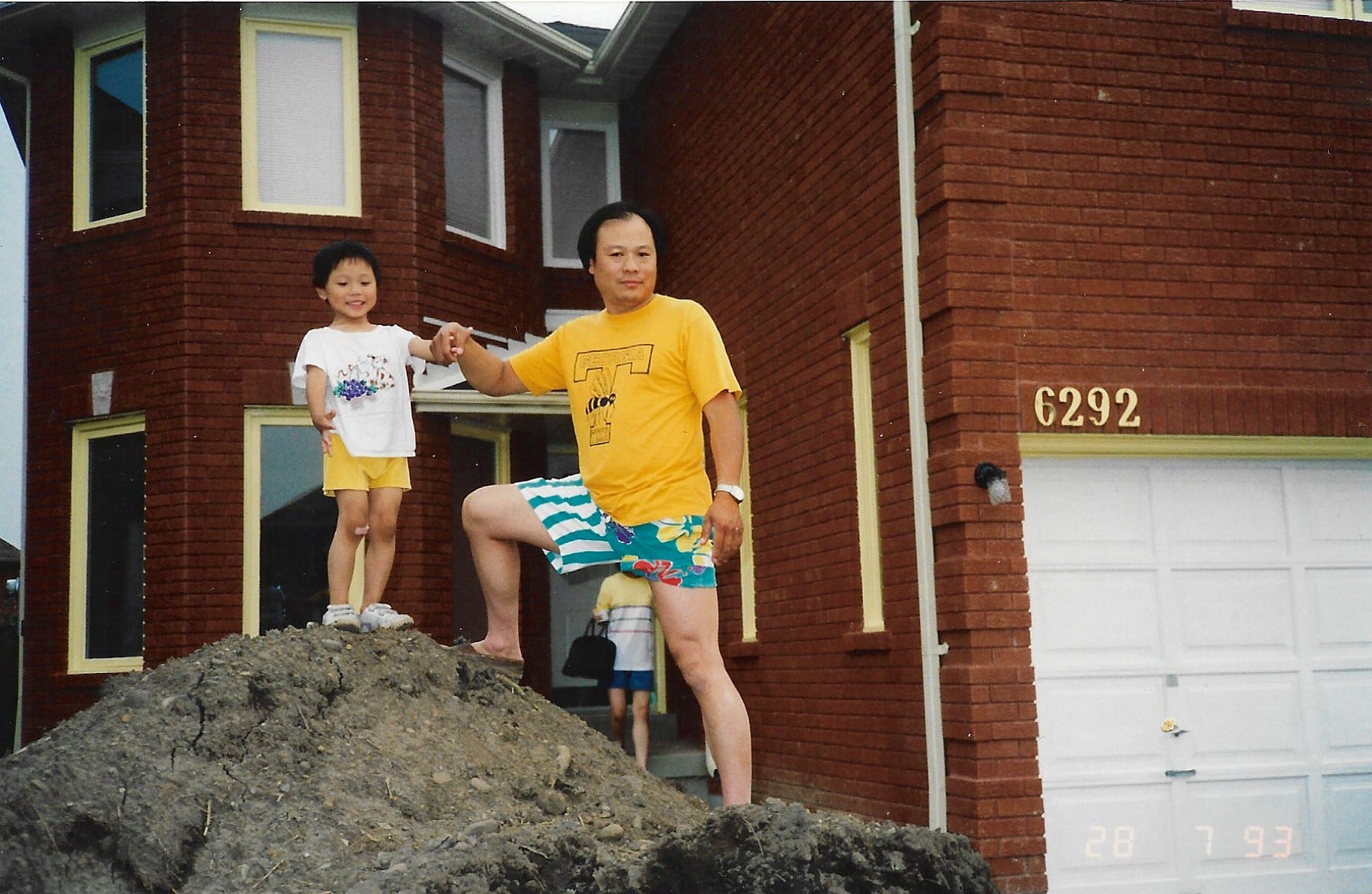
I’m not saying everyone needs to leave Toronto (although I’d bet you never regret that decision).
I’m asking something harder than that.
When did you last make a decision that actually cost you something? When did you last look at your life with the same clear eyes your parents used when they looked at theirs — and ask honestly whether where you are is truly the best you can do with what you’ve been given?
Most of us don’t ask that question. Not really. Because asking it seriously means you might have to do something about the answer. And doing something about it is uncomfortable. And we have been very, very well trained to avoid discomfort.
Our parents didn’t have that luxury. That’s exactly why we’re here.
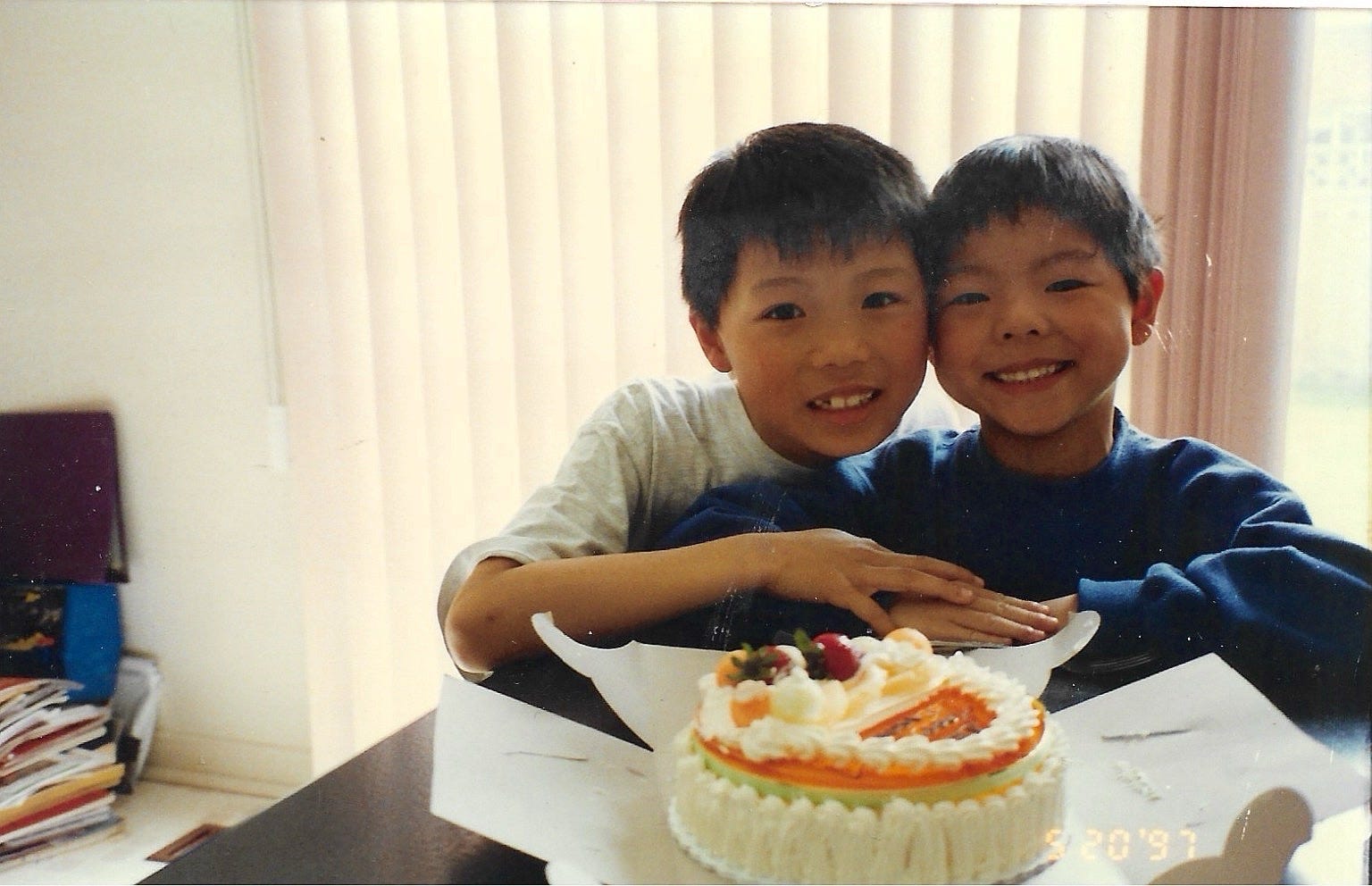
Our parents left everything so that we’d have the freedom to answer that question honestly.
The least we can do is actually answer it.
Not the comfortable answer. Not the answer that lets you go back to your life without changing anything. The real one. The one that costs you something just to admit.
What have you actually sacrificed for the future you say you want?
And if the answer is thin — what are you going to do about it?